Sweat chloride testing is often the first step to getting answers if doctors think your child could have cystic fibrosis (CF).
A sweat test, which measures chloride levels in sweat, is the most reliable way to diagnose CF. Children with cystic fibrosis typically have higher levels of chloride in their sweat than those without the condition.
If your child needs a sweat chloride test, they’ll benefit from the expertise of a center accredited by the CF Foundation. MU Health Care is the only health system in mid-Missouri that has earned this accreditation for pediatric and adult care.
Does My Child Need a Sweat Chloride Test?
Your child’s pediatric primary care provider may refer your child for a sweat chloride test if they have a:
- Positive newborn screening (NBS) blood test for CF (a test all states require)
- Positive prenatal genetic test, which can detect genetic mutations associated with CF
If your child’s screening tests are positive, their primary care provider will contact you and order sweat chloride testing to check for CF. Even if genetic or screening tests suggest your child has cystic fibrosis, a sweat test is still needed to confirm the diagnosis. Our pediatric pulmonary medicine team will coordinate testing with your child’s primary care provider.
You may also contact your pediatric primary care provider if you think your child may have CF based on:
- A family history of cystic fibrosis
- Symptoms of CF, such as frequent coughing, recurring respiratory infections or slow growth
Your provider can then refer you to our pediatric pulmonologists for sweat chloride testing.
Our Approach to Sweat Chloride Testing for CF
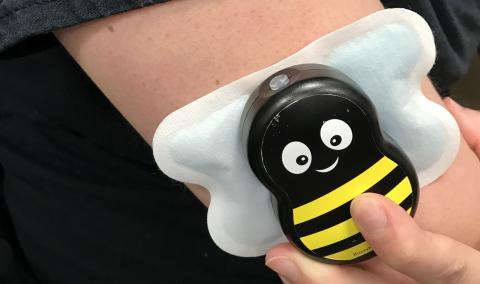
At MU Health Care, our experienced lung experts use specialized equipment to perform sweat chloride tests in compliance with strict testing guidelines from the CF Foundation.
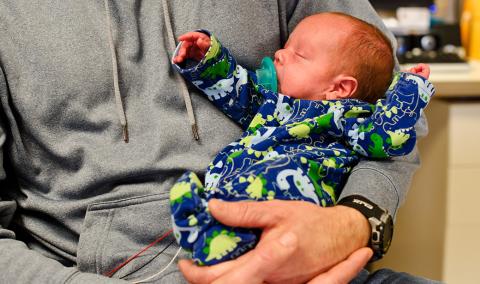
Our pediatric pulmonologists provide testing for newborns as young as 2 days old at our Pediatric Cystic Fibrosis Center. We also offer testing for adults at our Adult Cystic Fibrosis Center. Whenever possible, we coordinate your child’s consultation, exam, and sweat test on the same day to make the process easier for families.
If a diagnosis of cystic fibrosis is confirmed, our team will guide you through the next steps, including treatment options. Advances in CF care now allow many patients to live longer, healthier lives. We’ll provide the education and support your family needs as your child grows, helping them transition smoothly into adulthood.