Whether you’re newly diagnosed with breast cancer or seeking a second opinion, our team is here to support you with clarity, confidence and trusted expertise every step of the way.
At MU Health Care, we offer team-based breast cancer care from diagnosis through treatment and survivorship.
We also support patients who are focused on early detection or understanding their risk. Our services include screenings, risk assessments and second opinions. For those at higher risk, we offer guidance through our High-Risk Breast Clinic and prevention-focused care options.
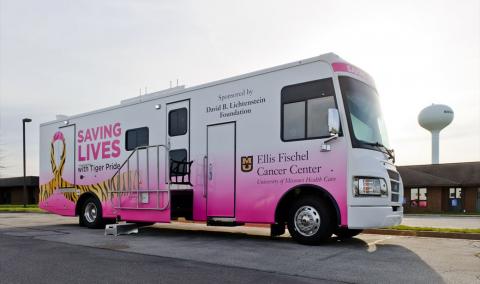
Whether you receive care at Ellis Fischel Cancer Center in Columbia or Goldschmidt Cancer Center in Jefferson City, your care team works together to provide expert care from day one.
Breast Cancer Symptoms
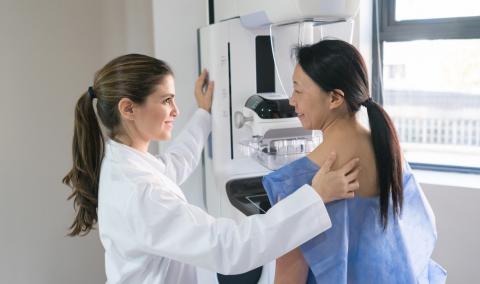
Breast cancer may not cause symptoms at first, which is why routine screenings like mammograms are so important. Early detection may open the door to additional treatment options that may not be available in later stages of breast cancer.
When symptoms do appear, they can include physical changes in the breast or surrounding tissue. Common signs of breast cancer include:
- A new lump in the breast or underarm
- Change in size, shape or appearance of the breast or nipple
- Irritation, dimpling or puckering of breast skin
- Nipple discharge, including blood
- Pain in any area of the breast
- Thickening or swelling in part of the breast
Schedule a Mammogram
Breast Cancer Risk Factors
The following factors may increase your risk of breast cancer:
- A family history of breast cancer, especially in a first-degree relative (mother, sister or daughter) diagnosed before age 50, or a family history of ovarian cancer at any age.
- Age, as breast cancer risk increases with age.
- Ashkenazi Jewish heritage, which is associated with a higher likelihood of BRCA gene mutations.
- Inherited gene mutations, such as BRCA1, BRCA2 or other genes linked to hereditary cancer syndromes.
- Dense breast tissue, often found on a mammogram.
- Lifestyle factors, including alcohol use, lack of physical activity or obesity after menopause.
- Radiation exposure due to other medical tests or treatments.
- Reproductive or hormonal factors, such as early menstruation (before age 12), late menopause (after age 55), having no children or having a first child after age 30, or using hormone replacement therapy.
If you have any of these risk factors or simply want to know your level of risk, schedule an appointment at our High-Risk Breast Clinic to get an assessment.
Breast Cancer in Men
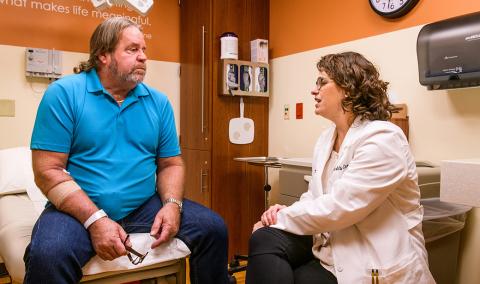
Breast cancer doesn’t only affect women. Although less than 1% of breast cancers occur in men, it’s important to have a care team that understands the unique needs of male patients.
Breast cancer risk factors for men include:
- A family history of breast cancer
- Estrogen-related drug treatments
- Inherited gene mutations
- Klinefelter syndrome
- Liver disease
- Obesity
- Radiation exposure
When to Seek Care
If you notice any new breast changes, even if they seem small, schedule a breast exam right away.
People at higher risk for breast cancer may need earlier or more frequent screening. Your care team can help you understand your risks and next steps.
Types of Breast Cancer
Different types of breast cancer grow and behave differently, with some growing more slowly while others are more aggressive. Treatment options depend on your specific diagnosis.
Common types of breast cancer include:
- Ductal carcinoma in situ (DCIS): A noninvasive form of cancer confined to the milk ducts.
- Early-stage breast cancer: Localized disease that hasn’t spread beyond the breast or nearby lymph nodes.
- HER2-positive breast cancer: Driven by excess HER2 protein and may be responsive to targeted therapy.
- Hormone receptor-positive breast cancer: The most common subtype, these tumors grow in response to estrogen or progesterone and are treated with hormone-blocking therapy.
- Inflammatory breast cancer: A rare, fast-growing cancer that causes redness and swelling.
- Invasive ductal carcinoma (IDC): The most common type, beginning in the ducts and spreading to surrounding tissue.
- Invasive lobular carcinoma (ILC): Starts in the milk-producing glands and can spread.
- Metastatic breast cancer: Cancer that has spread to other parts of the body, such as bones, lungs, liver or brain.
- Triple-negative breast cancer: An aggressive subtype that does not respond to hormone therapy.
When planning treatment, your care team will look at the stage of the cancer and how far it has spread. We use advanced imaging, pathology review and molecular testing to understand your exact cancer type and guide your care.
Breast Cancer Diagnosis at MU Health Care
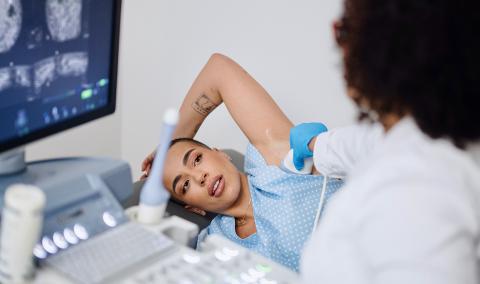
Our goal is to diagnose breast cancer as early and precisely as possible using advanced imaging. If you haven’t been diagnosed but want to know your risk for breast cancer, we offer genetic counseling and risk assessment.
If you have a higher risk of developing breast cancer, we may recommend additional screening strategies to support early detection. This may include both mammography and breast MRI, along with risk stratification models such as the Gail model.
If your screening suggests higher risk, your primary care provider will discuss next steps, including possible closer monitoring or preventive care.
We use the following methods to diagnose breast cancer and determine its type and stage:
- 3D mammography, ultrasound or MRI, with expedited scheduling when possible.
- Bone scans, CT scans or PET scans used after diagnosis to check for spread of disease.
- Breast MRI, often used in addition to mammograms for high-risk patients.
- Genetic counseling and testing when appropriate, including BRCA1 and BRCA2, if you have a personal or family history of breast cancer.
- Genomic testing, including Oncotype DX, which can help guide chemotherapy decisions for hormone-positive breast cancer.
- Image-guided biopsies to confirm diagnosis. When possible, biopsies may be done in-office for faster results.
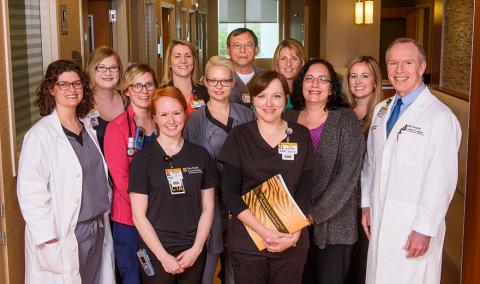
A Full Team Behind You
Our breast health nurse navigators can help guide each step of the process, from coordinating appointments to providing follow-up support.
We also have weekly tumor board meetings where specialists across different fields review imaging, pathology, genetics and treatment plans to ensure complete and informed care at every stage.
Our specialists collaborate across medical oncology, breast surgery, radiation oncology, radiology, pathology and genetics. Your care team may also include reconstructive specialists, depending on your treatment plan.