When it comes to breast cancer surgery, you have options. At MU Health Care, we offer the full spectrum of breast-conserving surgeries like lumpectomy, as well as advanced options for breast reconstruction.

When you choose an academic health system like MU Health Care, surgeons consider both cancer removal and the eventual cosmetic appearance. They use leading-edge techniques that combine cancer surgery with plastic surgery, like oncoplastic closure or oncoplastic reduction. With our patient-first focus, our breast surgeons can answer any questions you have and offer guidance throughout the process. 

Ultimately, the decision whether to have breast surgery is yours. Your care team can make recommendations based on factors like: 

  • Your stage and type of breast cancer
  • Your tumor marker profile, which can provide additional insights on the best therapies for your cancer
  • What other cancer treatments, such as chemotherapy or radiation, you may benefit from
  • Your long-term goals and personal preferences

Types of Breast Cancer Surgery at MU Health Care

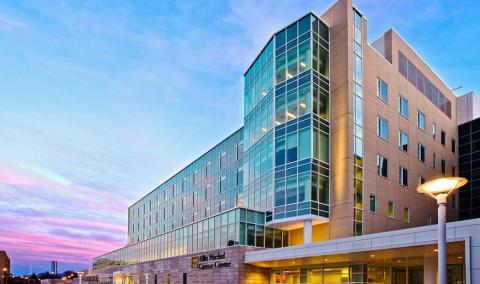
We offer the full range of breast surgeries at both Ellis Fischel Cancer Center and Goldschmidt Cancer Center, including advanced procedures not widely available in Central Missouri.

Breast-Conserving Surgery (BCS, Lumpectomy)

The goal of BCS is to remove the tumor while preserving as much breast tissue as possible and leaving the best cosmetic result achievable. BCS is also called a lumpectomy, partial mastectomy or segmental mastectomy.

Mastectomy

Mastectomy, which involves removal of the entire breast, can be performed with or without reconstruction. Some options include:

  • Aesthetic flat closure: Involves removing excess skin and reshaping remaining tissue after a mastectomy.
  • Skin-sparing mastectomy: Removes breast and nipple tissue but preserves skin. You may have this surgery along with breast reconstruction.
  • Nipple-sparing mastectomy: Removes breast tissue but preserves the skin and nipple tissue. You may also have this surgery along with breast reconstruction.

Breast Reconstruction

Our breast surgical oncologists work closely with our plastic surgeons on all types of breast reconstructions, including: 

  • Immediate breast reconstruction: Performed at the time of mastectomy.
  • Implant or autologous reconstruction: Uses your own natural fat or muscle tissue.
  • Delayed breast reconstruction: Can be done weeks, months or even years after mastectomy.
  • Oncoplastic surgery: Combines tumor removal with techniques to optimize cosmetic appearance. Surgery may involve breast reduction techniques like reshaping or lifting the breast, or breast augmentation to replace lost volume.
  • Surgery on the unaffected breast: Matching the size and shape of a reconstructed breast.

Lymph Node Biopsy and Removal

With breast cancer surgery, you may also have a procedure to map and remove affected lymph nodes. This can determine whether cancer has spread and help stage the cancer. Procedures available include: 

  • Sentinel lymph node biopsy: Involves removing the lymph nodes where breast cancer would first spread to.
  • Axillary lymph node dissection (lymphadenectomy): Removing a group of lymph nodes under the armpit. We may recommend this surgery if your cancer has already spread to several lymph nodes. Our surgeons use an advanced technique called axillary reverse mapping to preserve lymphatic vessels and lymph nodes not affected by cancer. This reduces the risk of lymphedema (swelling).

Am I a Candidate for Breast Surgery?

You may be a candidate for breast surgery if you: 

  • Have breast cancer.
  • Have noncancerous (benign) lumps in the breast that could develop into cancer or cause other issues.
  • Have a high risk for developing breast cancer because of your genetics or other factors and want to lower your risk. 

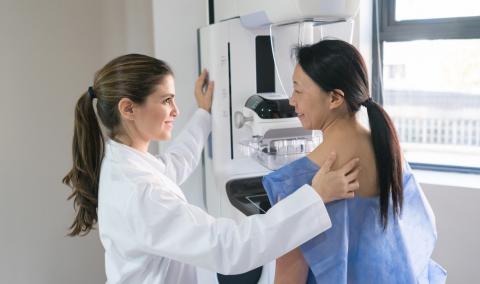
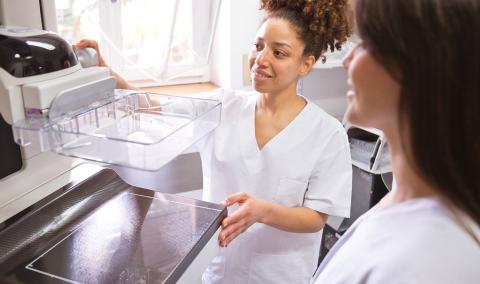
Your primary care provider or OB/GYN may refer you to our team if you have breast pain or nipple discharge. You may also reach out to our breast cancer team if a mass was found during your mammogram or on a self-exam.

We also provide second opinions if another provider recommended breast surgery. Because our surgeons specialize in all types of breast surgery, we can help you understand your options.

What to Expect From Breast Surgery

Each breast surgery is different, but they all start with meeting your breast surgeon.

What to Expect at Your First Visit with a Breast Surgeon

Your first meeting with a breast surgeon will take 45 minutes to an hour. We’ll discuss the results of any tests you’ve had, which may include your:

After reviewing your results, we’ll present your surgical options. You can schedule surgery after that first visit or take more time to decide, if needed. You can always return for a second visit before surgery.

On the Day of Surgery

If you’re having lymph nodes mapped or removed, you’ll have an injection of radiocolloid before surgery. This substance allows your surgeon to identify the correct lymph nodes to remove. 

You’ll have general anesthesia to put you to sleep before surgery. After removing your tumor or breast, we’ll use dissolvable stitches to close your incision. Many breast surgeries are performed as outpatient procedures, so you may be able to go home the same day.

Recovery After Breast Surgery

Everyone recovers from breast surgery differently. However, here are some general guidelines: 

  • After a lumpectomy, recovery usually takes one to two weeks. During this time, you can resume most of your normal activities, although you should avoid heavy lifting.
  • After a mastectomy, recovery usually takes two to six weeks and includes more activity restrictions. You will have a drain on each side you had surgery. Drains are usually removed after 10 to 14 days. 

Once you’ve recovered from your breast surgery, you’ll meet again with our team, who can arrange any other treatments you may need. Your plan may include chemotherapy, radiation, immunotherapy or hormone therapy.