Mohs micrographic surgery treats common and rare skin cancers while preserving as much healthy skin as possible.

This outpatient procedure removes skin cancer in stages with precision — in only one appointment.

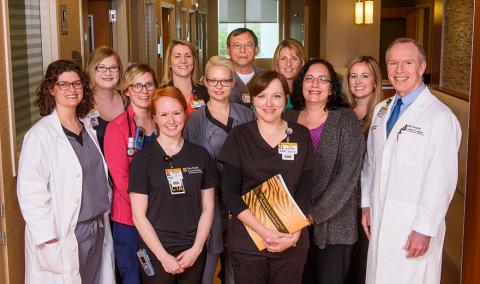
At MU Health Care, you’ll be treated by our fellowship-trained and board-certified Mohs team, with expertise in repairing the skin to protect both its health and appearance.

Mohs Surgery at MU Health Care

Layer by layer, our skilled surgeons remove any cancer cells found under a microscope, all in one visit. This helps preserve healthy skin and offers the highest cure rates.

Cure rates are high — up to 99% for basal cell carcinoma and 97% for squamous cell carcinoma — which lowers the chance of the cancer coming back.

Is Mohs Micrographic Surgery Right for Me?

Mohs surgery may be recommended if you have:

  • Aggressive or rare skin cancers
  • Borders that are hard to define
  • Large skin cancers
  • Previously irradiated skin
  • Recurrent cancers after prior treatment

It’s also often used for skin cancers on the:

  • Eyelids
  • Face
  • Feet
  • Genitals
  • Hands
  • Lips
  • Nose
  • Shin

Mohs micrographic surgery is most often used to treat basal cell and squamous cell carcinoma. For certain cases of melanoma in situ and lentigo maligna (e.g., skin cancer in the uppermost layer of the skin, or epidermis), we use same-day lab tests called immunohistochemical stains to be sure all the cancer is removed before repairing the area.

Not every skin cancer needs Mohs micrographic surgery. Depending on the type, size and location, another treatment, such as standard excision, may be a better fit. We’ll help you determine the right option for you.


Our Mohs Team

Cosmetic and Reconstructive Expertise

Our Mohs micrographic surgery specialists work together to help the area heal well and protect both function and appearance. We offer:

  • Local tissue rearrangement and flap repairs
  • Skin grafting when needed
  • Plastic surgery support for complex cases

Our Approach to Mohs Micrographic Surgery

Mohs surgery is the most effective way to remove certain skin cancers while carefully preserving the healthy tissue around them.

We check each layer in real time during your visit — guiding precise removal, reducing scarring and often avoiding extra appointments.

Your Surgical Evaluation

Before Mohs micrographic surgery, we may:

  • Discuss the procedure and answer your questions
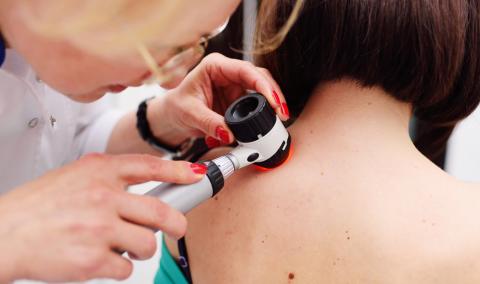
  • Examine the area of concern
  • Give you simple preop instructions
  • Photograph the site for planning
  • Review your history, medicines and biopsy report

What to Expect on Surgery Day

Mohs surgery is an outpatient procedure that uses local anesthesia. You may feel pressure, not pain, and go home the same day.

Our process includes:

  • Excision of the visible tumor with a thin rim of healthy tissue to spare as much skin as possible.
  • Mapping each layer as we go to track the exact edges of the cancer.
  • Microscopic review done on-site to confirm when the margins are clear, meaning no cancer cells are left behind.
  • Removal of additional layers only where cancer remains, so no more skin is taken than necessary.
  • Repair the same day, when possible, to protect both function and appearance.

Recovery After Mohs Surgery

You may experience mild pain after surgery that’s easily managed with ice and over-the-counter medicine.

You’ll be asked to rest and take it easy for a few days to reduce swelling and lower the risk of bleeding.

Here’s what to expect as you recover:

  • Bandage: You’ll leave with a pressure dressing that stays on for a few days.
  • Care instructions: We’ll explain how to care for the wound and scar.
  • Follow-up: You may return in one to two weeks for a checkup and suture removal. If travel is tough, we may offer remote follow-up or at-home suture removal when safe.
  • Skin checks: We’ll talk with you about long-term skin protection and monitoring for any new or recurring cancers.