If you believe ureteropelvic junction (UPJ) obstruction may be affecting your kidney function or causing symptoms, or you’ve already received a diagnosis, MU Health Care provides expert care and treatment options that can help.
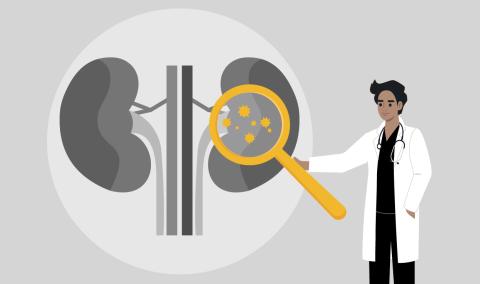
UPJ obstruction happens when there’s a blockage where the kidney connects to the ureter. This can slow or block urine flow to the bladder, leading to swelling, pain or reduced kidney function.
The right care can help protect your kidney function and prevent long-term damage. With early diagnosis and personalized treatment, you can get much-needed symptom relief and avoid future complications.
Symptoms of UPJ Obstruction
Symptoms of UPJ obstruction can look different depending on your age and how severe the blockage is. It might be present at birth or develop later in life.
Common symptoms include:
- Abdominal lump: In some cases, especially in infants, you might feel a mass in the belly.
- Blood in urine: You might see blood when you pee, or it may be detected in a lab test.
- Frequent UTIs: Repeated infections can cause fever, pain with urination or cloudy urine.
- High blood pressure: Kidney issues may lead to elevated blood pressure over time.
- Hydronephrosis: Backed-up urine can swell the kidneys and lead to lasting damage if untreated.
- Kidney stones: Blocked urine flow can lead to the development of stones, causing pain or blood in the urine.
- Less urine: In severe cases, you may notice a drop in how much urine you produce.
- Nausea or vomiting: These symptoms can happen if the kidney becomes swollen.
- Side or back pain: You might feel a dull ache or sharp pain on one side, especially after drinking fluids.
When to Seek Care for UPJ Obstruction
If you’re dealing with side pain, frequent infections or other changes in urination, schedule an appointment with a urologist or your primary care doctor, who can then refer you to a urologist. Catching UPJ obstruction early can help protect your kidneys, relieve symptoms and prevent or minimize long-term damage.